Practical guidance on AI-assisted writing, editing, verification, and readability.
Explore NoteCleaner's English rewriting tools, AI detector, document imports, and free allowances, with practical advice for reviewing every revision.
Navigate university AI policies, Turnitin detection risks, and ethical workflows for brainstorming, citation preservation, and responsible text refinement.
Learn how burstiness and sentence cadence separate robotic AI prose from captivating human writing, with before-and-after exercises and rhythm checks.
Explore why gimmicks like zero-width spaces fail modern classifiers, how perplexity works, and why deep structural humanization is the only sound path.
Understand semantic drift during automated rewriting, why negation and facts get distorted, and how to verify meaning integrity across revisions.
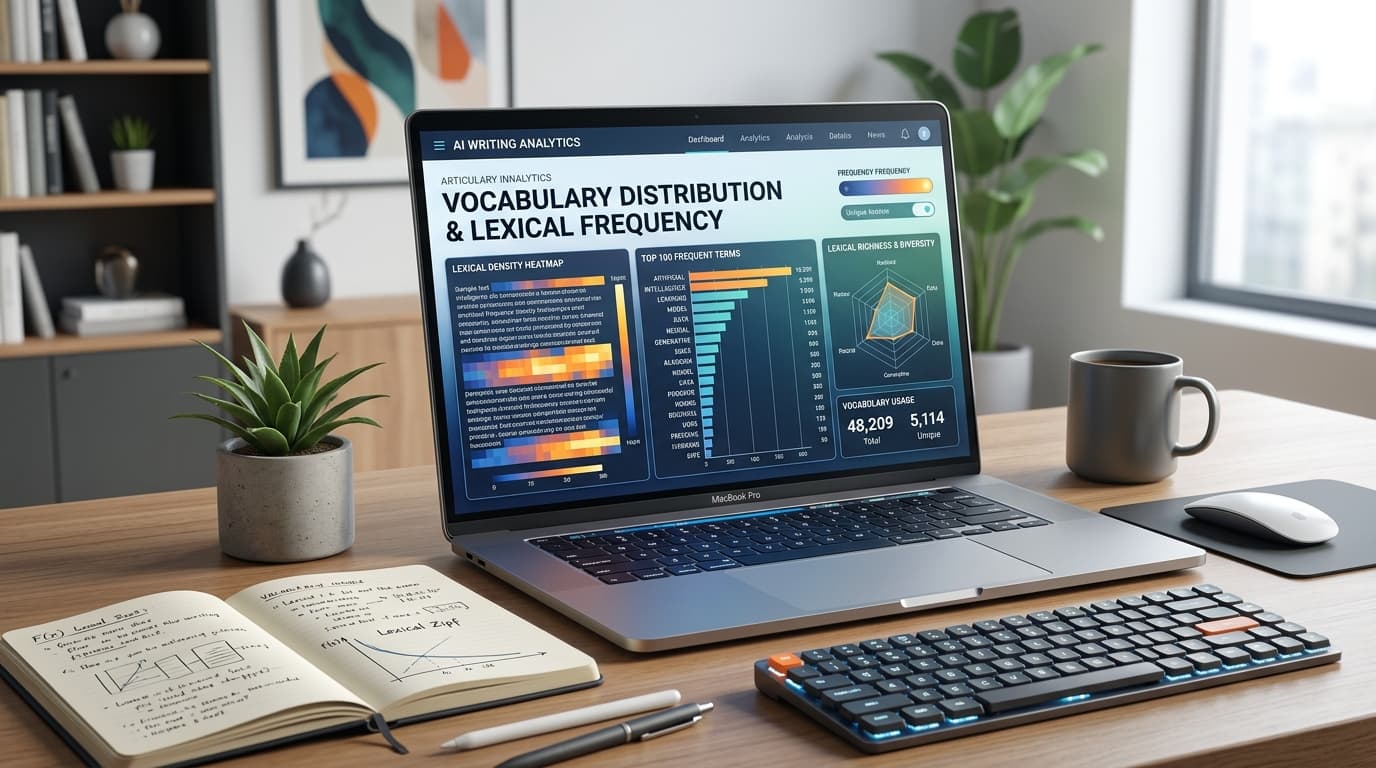
Discover why AI writing falls into repetitive vocabulary and uniform cadence, plus practical methods and humanizer workflows to restore natural diversity.
Research shows that some AI detectors can disadvantage non-native English writers. Learn what the evidence means and how to review flags fairly.
Use an AI humanizer on research papers without breaking citations, quotations, numbers, names, qualifiers, reference fields, or technical meaning.
Compare an AI humanizer, paraphraser, and grammar checker by purpose, edit depth, risks, and best use cases, with practical examples and a review workflow.
Google does not ban AI-assisted content. Learn the line between useful automation and scaled content abuse, plus a practical publishing and recovery workflow.
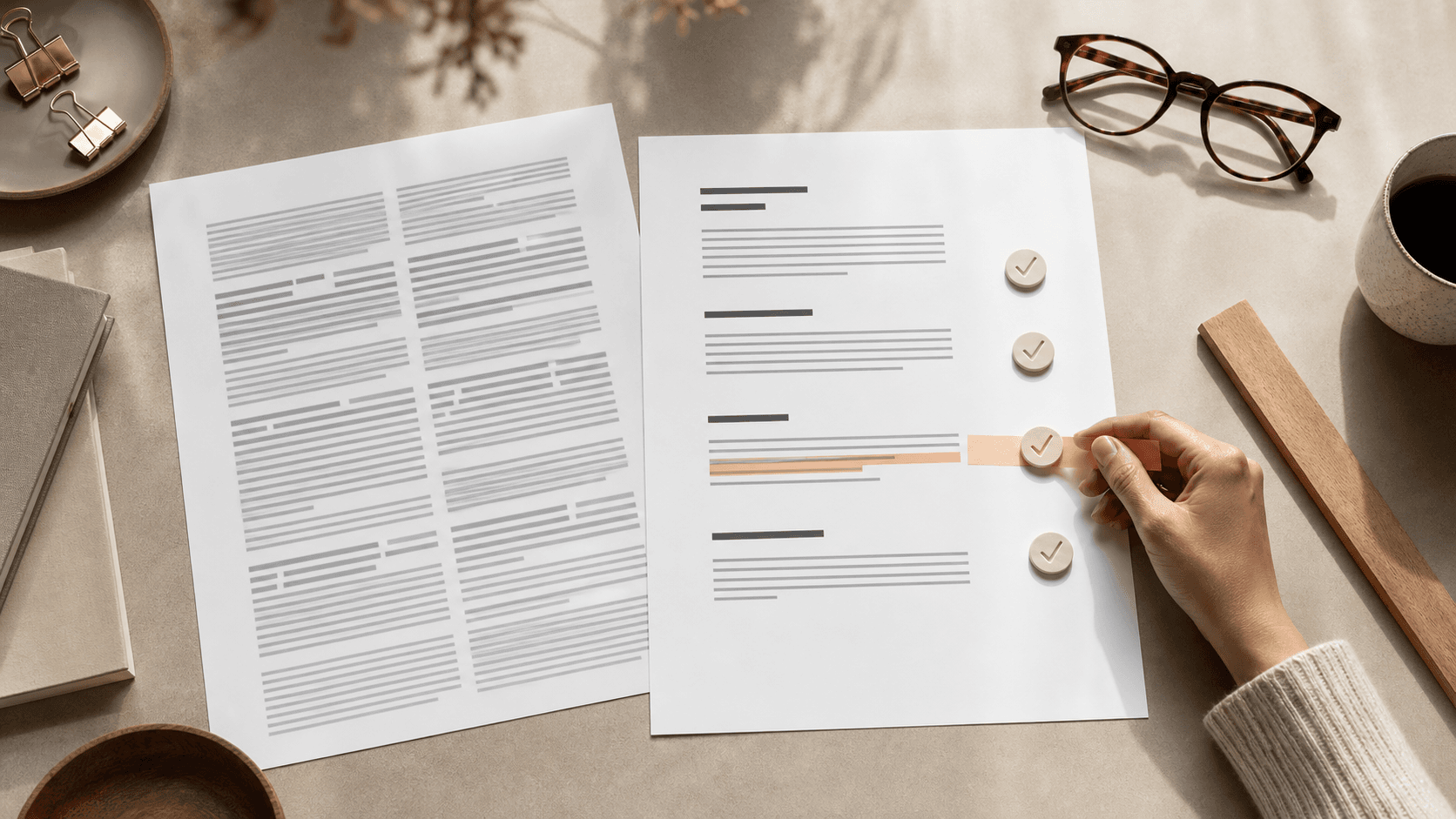
Fact-check AI-generated content with a source-first workflow for claims, citations, numbers, names, quotes, and changes made during editing.
Make ChatGPT sound more human with nine practical fixes, reusable prompts, and examples that improve voice without changing your meaning.
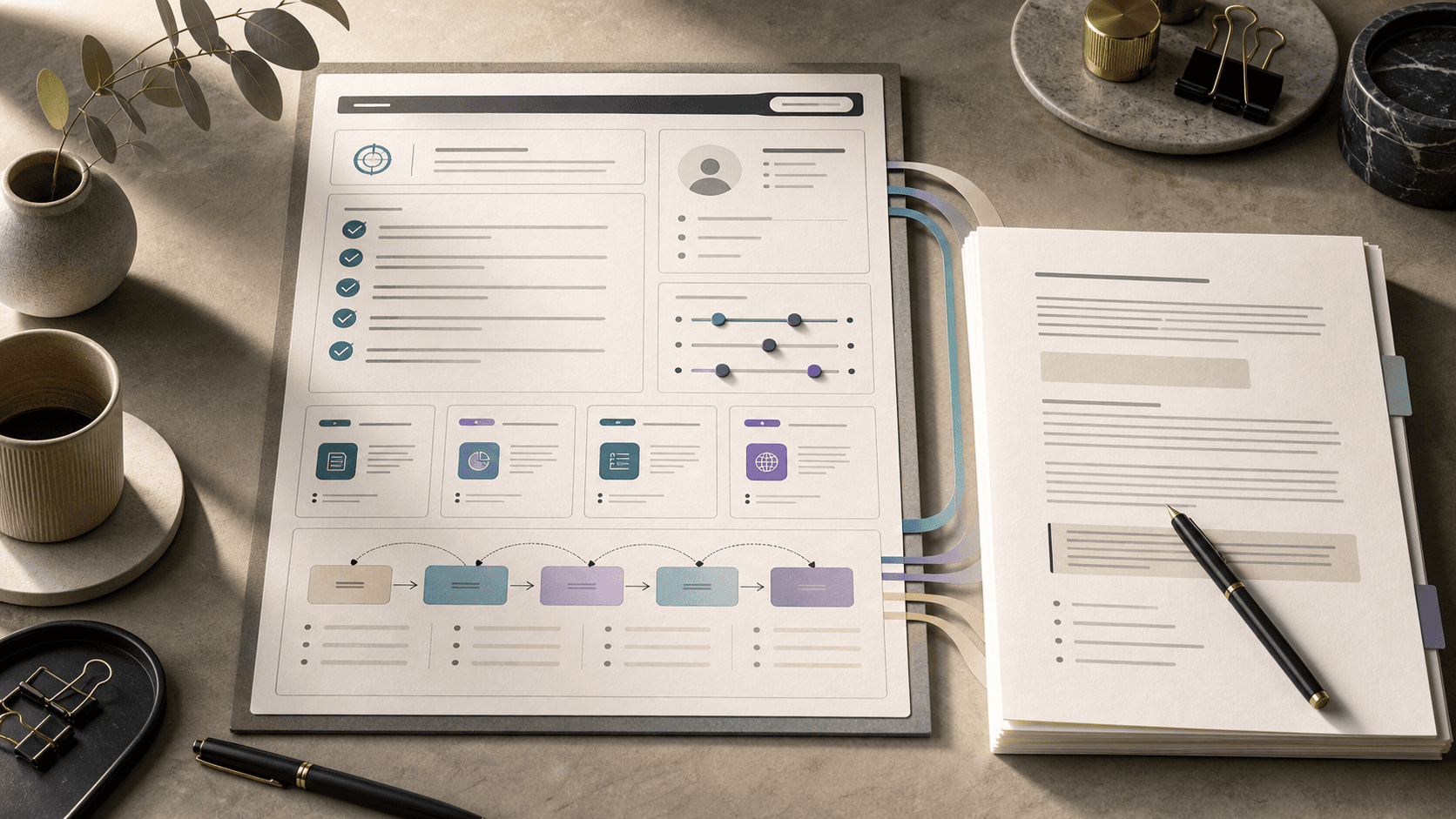
Learn how to define audience, evidence, structure, constraints, and approval checks before asking an AI tool to draft content.
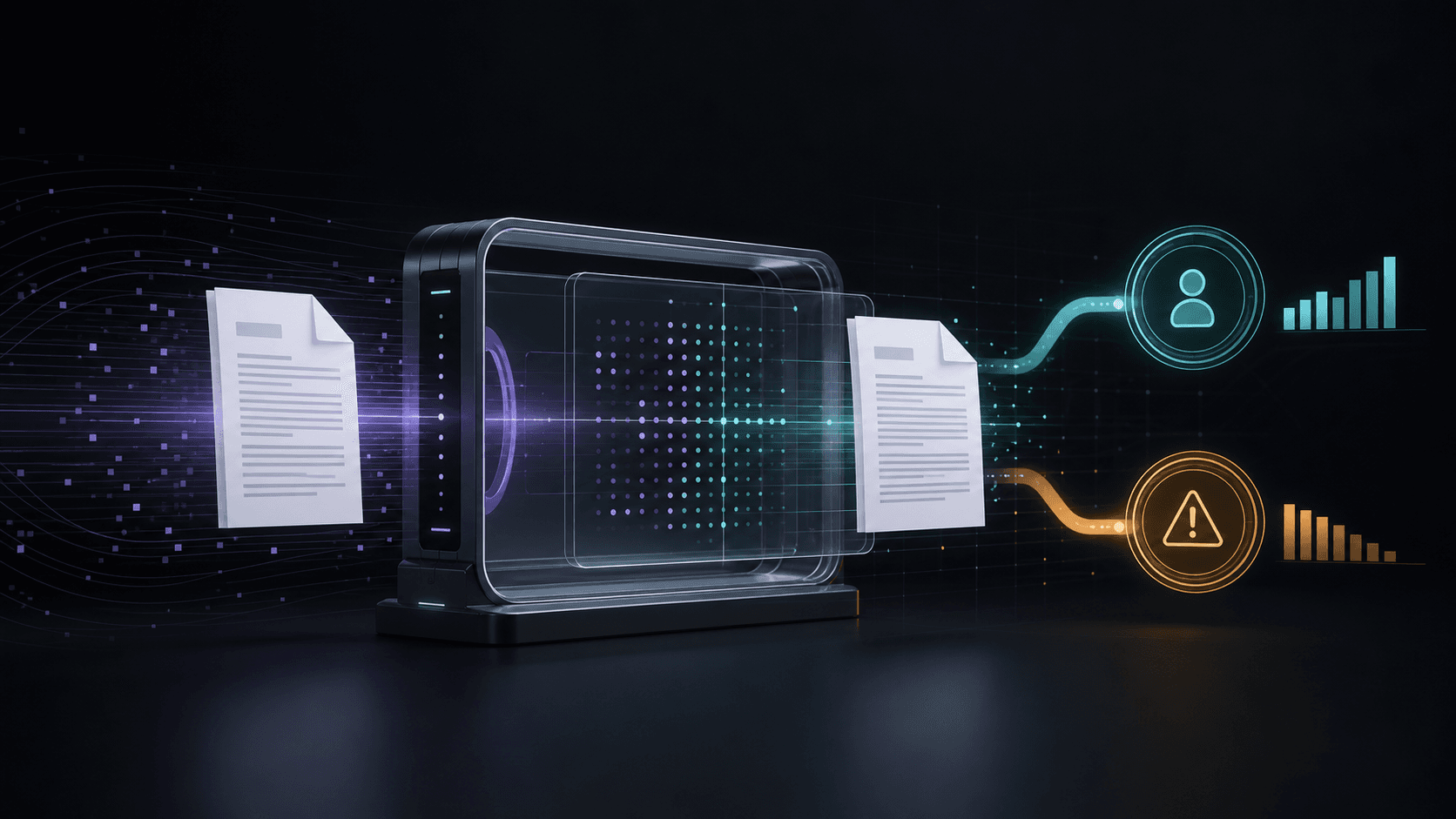
Learn why AI detectors can flag human writing, what their scores mean, and how to review false positives without treating probability as proof.
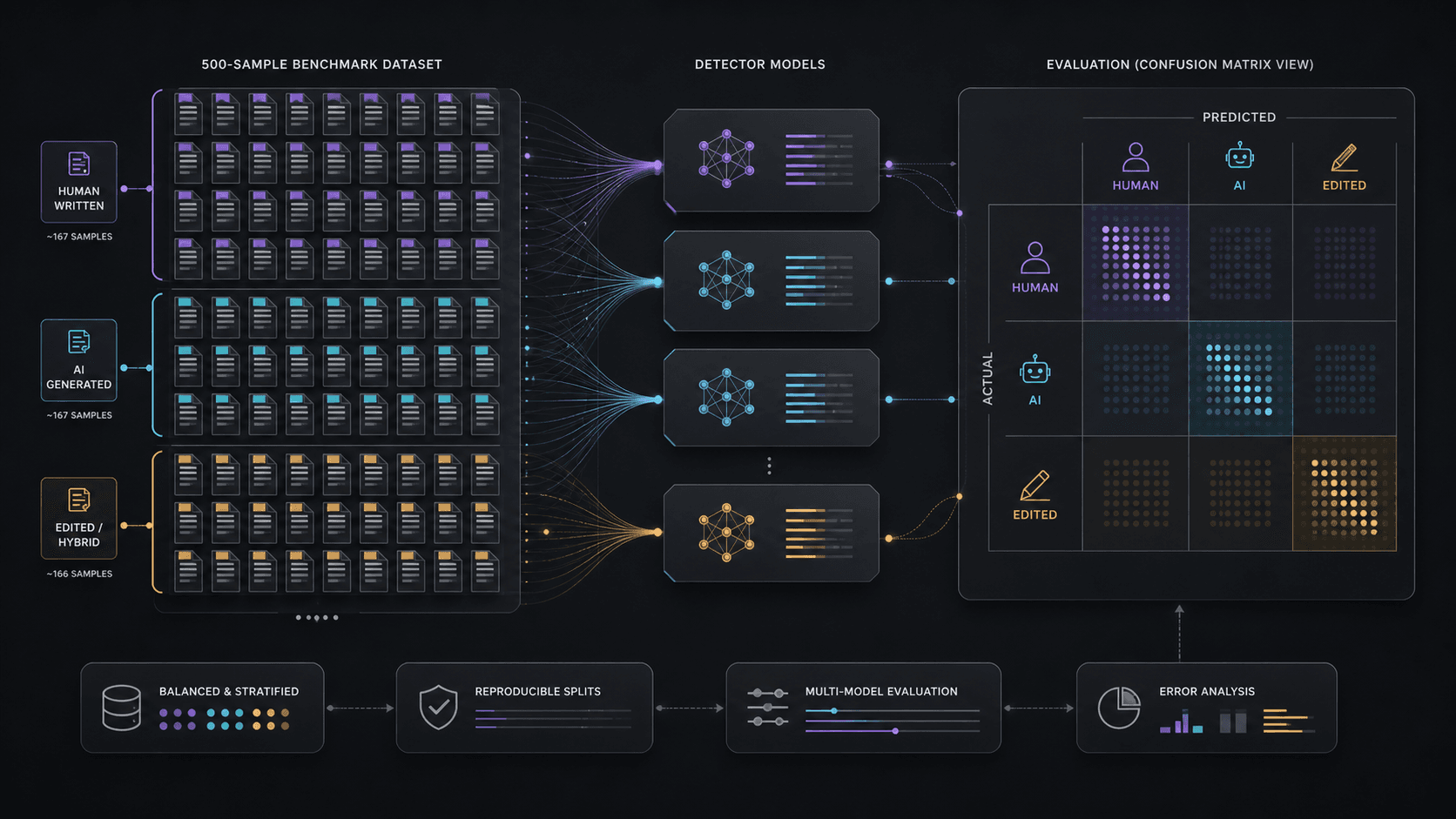
A protocol for testing AI detectors on 500 stratified samples, with labels, stress tests, metrics, confidence intervals, and a results table.
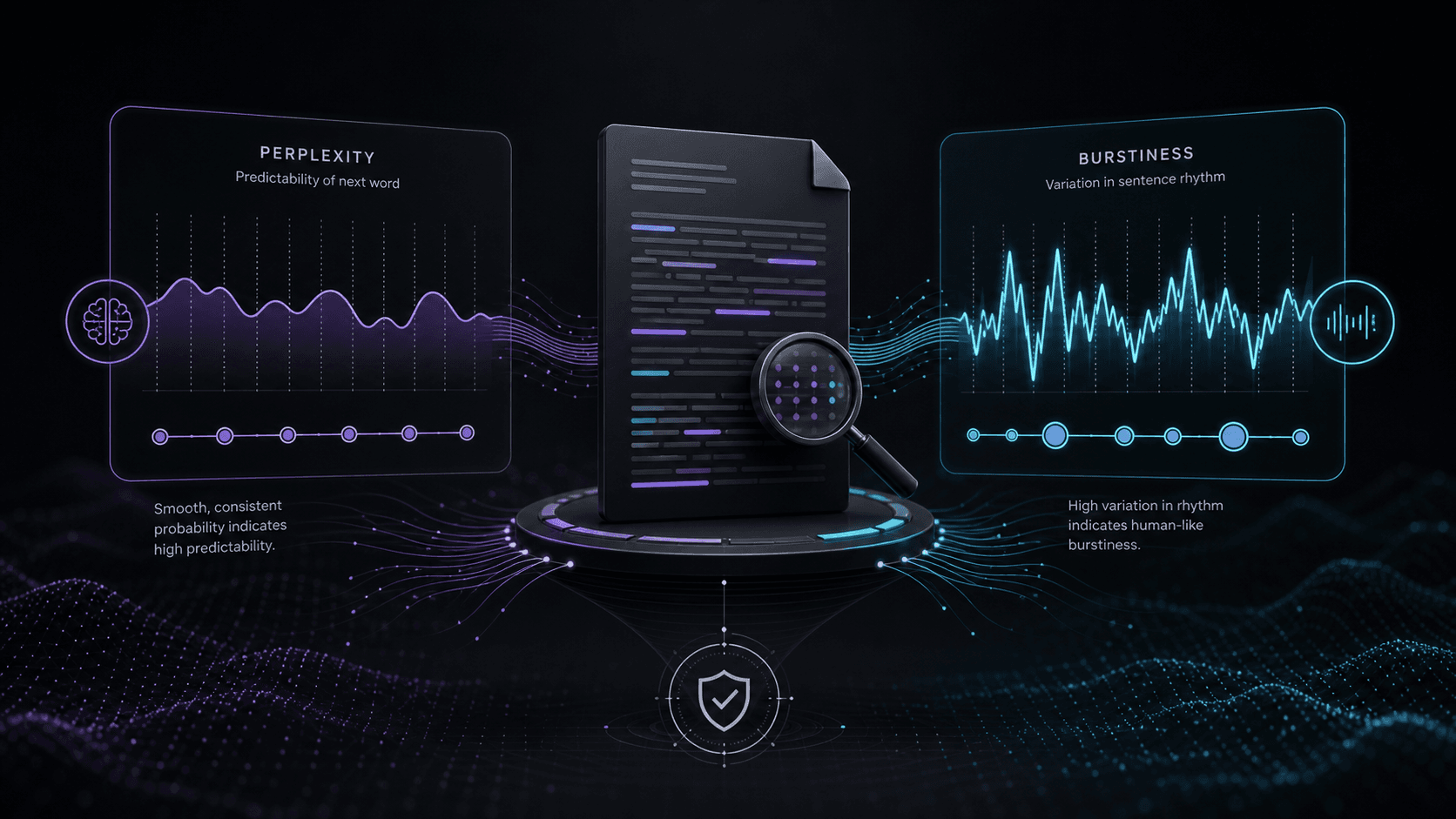
Learn what perplexity and burstiness mean, how AI detectors use these statistical signals, and why neither one proves who wrote a passage.
A reliable workflow for turning AI drafts into accurate, useful, human-sounding articles without losing control of the message.
Humanizing an AI draft should improve clarity and rhythm, not distort the meaning. Here is a practical editing method.
Learn how to improve an AI-assisted draft’s structure, sentence clarity, scanning, accessibility, and meaning preservation.
A concise brand voice guide helps AI tools produce drafts that sound closer to your company from the first pass.
Publishing in multiple languages requires more than translation. Use this workflow to protect meaning, tone, and local relevance.